
.png)



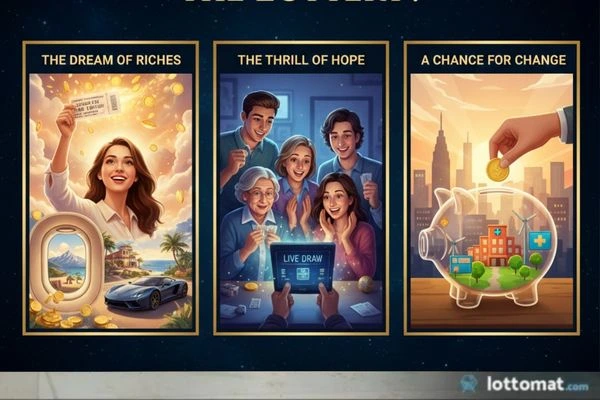
Every week, millions of people around the world purchase lottery tickets, each one carrying dreams, hopes, and possibilities. But have you ever stopped to wonder why? What drives someone to invest their hard-earned money in something with odds that can reach 1 in 292 million? At Lottomat, we wanted to understand the human story behind the statistics. We decided to ask players themselves.
We conducted an extensive survey among randomly selected lottery players across different demographics, ages, and playing frequencies. The results revealed fascinating insights into the motivations, beliefs, and decision-making processes that drive lottery participation. What we discovered goes far beyond simple gambling – it’s a window into human psychology, dreams, and the universal desire for a better tomorrow. Let’s explore what real players told us about why they play and what keeps them coming back.
What Are the Main Reasons People Play the Lottery?
When we asked our survey participants about their primary motivations for playing the lottery, the responses painted a surprisingly diverse picture. While some reasons were predictable, others revealed deeper emotional and psychological factors that influence lottery participation. Here’s what our research uncovered about why people choose to play.
The following table presents the most common reasons players gave for purchasing lottery tickets, based on our comprehensive survey data.
| Reason for Playing | Percentage of Respondents |
|---|---|
| Hope for financial freedom | 42% |
| Entertainment and excitement | 28% |
| Supporting good causes | 12% |
| Social activity with friends/family | 9% |
| Habit or routine | 6% |
| Belief in destiny or luck | 3% |
Is Financial Freedom the Ultimate Dream?
Perhaps unsurprisingly, 42% of our respondents cited hope for financial freedom as their primary motivation. These players aren’t just dreaming about luxury yachts or private jets. Most described more modest, deeply personal goals: paying off mortgages, funding their children’s education, caring for aging parents, or simply achieving security. The lottery represents possibility – a chance to break free from financial constraints that define daily life.
One respondent eloquently captured this sentiment: “I work hard every day, but I know I’ll never save enough to retire comfortably. The lottery gives me hope that maybe, just maybe, things could change.” This emotional connection to financial transformation drives consistent play despite astronomical odds. It’s not about the money itself – it’s about what that money could mean for their lives and loved ones.
TIP: Check out the online lotteries you can play that could bring you financial independence.
Can a Lottery Ticket Buy Entertainment?
Interestingly, 28% of players view lottery tickets primarily as entertainment rather than investment. These participants approach playing with clear-eyed awareness of the odds. They budget specific amounts for lottery play, treating it like movie tickets or dining out. The excitement of checking numbers, the brief fantasy of winning, and the anticipation between purchase and draw provide genuine enjoyment.
These players often compare lottery tickets to other forms of entertainment spending. “I spend $10 per week on lottery tickets,” one respondent explained. “That’s less than one streaming service subscription, and it gives me something to look forward to twice a week.” This pragmatic perspective removes the desperation that can make gambling problematic. Instead, it frames lottery participation as a reasonable leisure choice.
Does Playing the Lottery Support Good Causes?
A meaningful 12% of respondents cited supporting good causes as their primary motivation. Many national lotteries direct substantial portions of revenue toward education, healthcare, environmental projects, and community development. These players feel their ticket purchases serve dual purposes: pursuing personal dreams while contributing to societal benefit.
This motivation appears strongest among players in countries with transparent lottery funding models. When players can see tangible results – new schools, restored parks, funded scholarships – they feel their participation matters beyond personal gain. One respondent noted, “Even if I never win, I know my money helps fund local schools. That makes every ticket worthwhile.”
How Do Players Choose Which Lottery to Play?
Understanding why people play is only part of the story. We also wanted to know how they decide which specific lottery games to choose. With countless options available – from national mega-lotteries to regional games – what factors influence these decisions? Our survey revealed interesting patterns in player decision-making processes.
When asked how they select which lottery to play, our respondents showed diverse approaches based on personal priorities and playing styles.
| Selection Method | Percentage of Respondents |
|---|---|
| Largest jackpot available | 38% |
| Best odds of winning any prize | 26% |
| Familiar or traditional lottery | 19% |
| Convenience and accessibility | 11% |
| Recommendations from others | 6% |
Do Bigger Jackpots Always Win?
The data reveals that 38% of players chase the biggest available jackpots, regardless of odds or other factors. These players embody the “go big or go home” mentality. They’re drawn to record-breaking prizes that dominate headlines and capture public imagination. For them, if you’re going to dream, why not dream as big as possible?
However, this approach often means playing lotteries with the longest odds. Games like Powerball and Mega Millions offer astronomical prizes but equally astronomical odds – often exceeding 1 in 292 million. These players accept worse odds in exchange for transformative prize potential. “I’d rather have a tiny chance at $500 million than a better chance at $1 million,” one respondent explained.
Are Better Odds Worth Smaller Prizes?
Conversely, 26% of players prioritize favorable odds over jackpot size. These more analytical players research probability statistics and consciously choose games with better winning chances. They often favor regional lotteries, smaller national games, or lotteries with multiple prize tiers offering reasonable odds.
This strategic approach reflects a more mathematical mindset. These players understand that while any lottery remains a long shot, some shots are significantly less long than others. They’d rather win something eventually than chase impossible dreams indefinitely. One respondent noted, “I play our state lottery because the odds are 1 in 3 million instead of 1 in 300 million. It still feels achievable.”
Does Tradition Matter in Lottery Selection?
Loyalty plays a significant role for 19% of players who stick with familiar or traditional lotteries. These players often grew up watching parents or grandparents play specific games. They maintain emotional connections to particular lotteries, viewing them as part of cultural or family tradition.
This loyalty transcends logical considerations like odds or jackpot sizes. “My father played the same lottery every Saturday for 40 years,” one respondent shared. “Now I do the same. It feels like honoring him.” This emotional dimension adds meaning beyond monetary motivation, transforming lottery play into ritual and remembrance.
Do Players Actually Believe They’ll Win One Day?
Perhaps the most revealing question in our survey addressed belief itself: Do you believe you will win the lottery one day? The responses to this question illuminate the complex relationship between hope, reality, and human psychology that defines lottery participation.
Our findings revealed a fascinating spectrum of belief among lottery players, from eternal optimists to pragmatic realists.
| Belief Level | Percentage of Respondents |
|---|---|
| Definitely believe I’ll win someday | 18% |
| Probably will win eventually | 31% |
| Maybe, but odds are against me | 34% |
| Probably won’t win, but still play | 13% |
| Don’t believe I’ll win, play for fun | 4% |
Who Are the True Believers?
A passionate 18% of players definitely believe they’ll win someday. These eternal optimists maintain unwavering faith despite potentially years of losses. They often cite personal feelings, dreams, or intuitions that convince them their time is coming. This group tends to play most consistently, viewing each losing ticket as simply one step closer to inevitable victory.
Psychologically, this belief serves important functions. It maintains motivation, provides hope during difficult times, and creates positive anticipation in daily life. “I know it sounds crazy, but I just feel it’s going to happen,” one respondent explained. “That feeling keeps me going through tough weeks.” Whether rational or not, this belief clearly fulfills emotional needs beyond potential financial gain.
Can Cautious Optimism Sustain Play?
The largest group, 31% of players, believe they’ll probably win eventually. This cautious optimism balances hope with reality. These players acknowledge long odds while maintaining sufficient belief to justify continued participation. They often frame their thinking in probabilistic terms: “Someone has to win, so why not me?”
This moderate belief system appears psychologically sustainable. It avoids the disappointment that absolute certainty might create while preserving enough hope to make playing meaningful. These players often cite stories of ordinary people winning as evidence supporting their beliefs. “I read about a guy who played for 30 years before winning,” one noted. “I’ve only been playing for five.”
Do Realistic Players Still Dream?
Interestingly, 34% of players acknowledge odds are against them but maintain some possibility of winning. This realistic perspective doesn’t diminish their enjoyment or participation. Instead, it creates healthy distance between playing and expecting, allowing them to enjoy the experience without destructive attachment to outcomes.
These players often describe their participation as “buying hope” rather than pursuing likelihood. They understand the mathematics but value the psychological benefits of possibility. “I know I probably won’t win,” one respondent admitted, “but for a few dollars a week, I get to imagine what if. That’s worth it to me.”
Read also: How to Play Powerball in Europe? Complete Guide 2025
What Do These Findings Mean for Lottery Players?
Our survey reveals that lottery participation is far more complex than simple gambling. It encompasses hope, entertainment, tradition, social connection, and personal beliefs. Understanding why you play can help ensure your lottery participation remains positive and responsible.
If you’re playing primarily for financial hope, consider balancing lottery tickets with practical savings strategies. If entertainment motivates you, ensure you’re budgeting appropriately for this leisure activity. If you believe you’ll win someday, that’s wonderful – but make sure that belief doesn’t prevent you from planning for futures where winning doesn’t happen.
The healthiest approach combines realistic expectations with genuine enjoyment. Understand the odds you face – whether 1 in 45 million or 1 in 302 million. Set strict spending limits based on entertainment budgets, not financial necessity. Play games that match your priorities, whether that means chasing massive jackpots or preferring better odds.
Most importantly, recognize that lottery playing can be a positive, enjoyable activity when approached responsibly. Our survey shows that millions of people find genuine value in participation, whether they ever win or not. The key is understanding your own motivations and ensuring they align with healthy, sustainable playing habits.
At Lottomat, we believe informed players are happier players. Whether you’re chasing financial freedom, seeking entertainment, or simply maintaining family tradition, understanding why you play helps you play smarter. You can explore various lottery options and find games that align best with your personal motivations and beliefs.
Read also: How to Play New York Lotto Online in 2026