
.png)



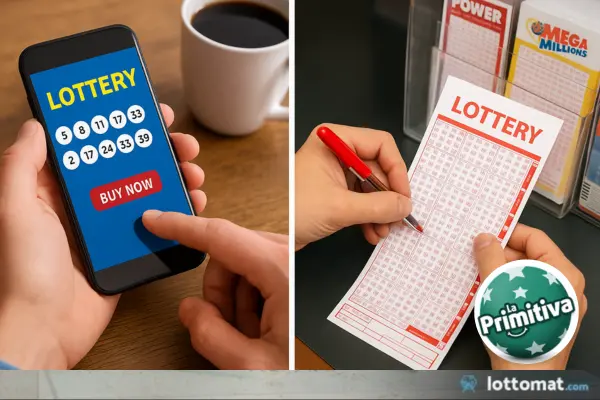
The lottery industry has undergone a remarkable digital transformation, giving players more choices than ever before when purchasing their tickets. As we navigate through 2025, the debate between online and retail lottery tickets continues to intensify, with each option offering distinct advantages that cater to different player preferences. Understanding these differences can help you maximize both your playing experience and your chances of claiming prizes efficiently.
Should You Buy Lottery Tickets Online or In-Store?
The way we play lottery games has dramatically evolved over the past decade. While traditional retail outlets still dominate the market, online lottery platforms have surged in popularity, transforming how millions of players purchase their tickets and chase life-changing jackpots. But which option truly delivers the best experience in 2025?
Whether you’re a seasoned lottery enthusiast or someone who occasionally tries their luck with Powerball draws, understanding the differences between online and retail lottery tickets can significantly impact your playing experience. This comprehensive comparison explores everything from security protocols to prize claim procedures, helping you make an informed decision about where to purchase your next lucky numbers.
How Secure Are Online Lottery Platforms?
Security remains the primary concern for players considering the digital leap. Fortunately, online lottery operators have invested heavily in protecting their customers, often surpassing traditional retail security measures.
Digital Security Features: Licensed online lottery sites employ bank-level encryption, typically using SSL 256-bit technology to protect all transactions. Moreover, reputable platforms undergo regular security audits and maintain strict compliance with gambling regulations. Your tickets are automatically stored in your account, eliminating the risk of losing a winning ticket – a nightmare scenario that plagues retail players.
Additionally, two-factor authentication has become standard practice across major lottery platforms. This extra layer of protection ensures that only you can access your account, even if someone obtains your password. Furthermore, digital platforms maintain detailed transaction histories, providing an irrefutable record of every purchase.
Retail Security Considerations: Physical lottery tickets present their own security challenges. Once you purchase a ticket from a retail outlet, you become solely responsible for its safekeeping. Damaged, lost, or stolen tickets cannot be replaced, regardless of whether they’re winners. Furthermore, retail transactions offer less privacy, as purchases occur in public spaces where anyone might observe your selections or winnings.
However, retail outlets benefit from established regulatory frameworks and physical oversight. Licensed retailers must adhere to strict operational standards, and state lottery commissions regularly audit their practices.
What Makes Online Lottery More Convenient?
Convenience represents online lottery’s strongest advantage. The digital experience eliminates geographical barriers and time constraints that traditionally limited lottery participation.
24/7 Accessibility: Online platforms never close. Whether it’s 3 AM or during your lunch break, you can purchase lottery tickets online, check results, and manage your account. This flexibility proves invaluable for players with busy schedules or those living far from authorized retailers. Additionally, you can participate in multiple lottery games worldwide, accessing draws from different countries without leaving your home.
Automated Features: Subscription services allow you to automatically enter consecutive draws, ensuring you never miss your favorite lottery games. Meanwhile, auto-check features instantly notify you of winnings – no more manually comparing numbers against draw results. Some platforms even offer syndicate options, automatically organizing group plays and distributing winnings proportionally.
Retail Convenience Factors: Despite digital advantages, retail outlets maintain certain conveniences. Immediate ticket receipt provides tangible proof of purchase, which some players prefer. Moreover, retailers often serve as community hubs where players discuss strategies and share excitement. Cash transactions remain popular among those who prefer not to use digital payment methods or want to maintain stricter gambling budgets.
How Do Costs Compare Between Channels?
Understanding the true cost of playing lottery games requires looking beyond face value ticket prices.
Online Pricing Structure: Most legitimate online lottery platforms charge the official ticket price plus a small service fee. These fees typically range from 5% to 15% of the ticket value, covering secure digital infrastructure, instant notifications, and automatic result checking. However, many platforms offer promotional discounts, bundle deals, and loyalty programs that can offset these fees.
Importantly, online players save on indirect costs. There’s no fuel expense for driving to retailers, no parking fees, and your time investment remains minimal. For frequent players, these savings accumulate significantly over time.
Retail Pricing: Retail outlets sell tickets at their official face value without additional fees. This straightforward pricing appeals to budget-conscious players who want to maximize their entry possibilities. Nevertheless, hidden costs exist. Transportation expenses, particularly for players without nearby retailers, add to the total investment. Additionally, impulse purchases during retail visits can inflate overall spending.
Value Considerations: When evaluating cost-effectiveness, consider the complete value proposition. Online platforms provide features like automated play, lottery result notifications, and secure ticket storage – services that enhance the overall experience. Meanwhile, retail purchases support local businesses and maintain the traditional lottery atmosphere that many players cherish.
Which Option Offers Better User Experience?
User experience encompasses multiple factors, from purchase process to prize claims.
Online User Journey: Modern lottery platforms prioritize intuitive design. Registration takes minutes, and purchasing tickets requires just a few clicks. Players can easily set favorite numbers, review past purchases, and analyze draw histories. Furthermore, responsive customer support via live chat, email, or phone helps resolve issues quickly.
Payment flexibility represents another advantage. Online platforms accept various payment methods including credit cards, e-wallets, and bank transfers. Account management features enable players to set deposit limits, promoting responsible gaming practices.
Retail Experience: The tactile experience of physically purchasing and holding lottery tickets carries nostalgic appeal. Many players enjoy the ritual of visiting their lucky retailer and personally selecting their numbers. Retail staff can provide immediate assistance and answer questions face-to-face, which some customers prefer over digital support channels.
However, retail experiences vary significantly by location. Lines during peak periods create frustration, and store hours limit purchase windows. Moreover, manually checking tickets post-draw requires effort and increases the risk of overlooking smaller wins.
What About Prize Claims and Payouts?
The prize claim process differs substantially between online and retail channels, particularly for larger winnings.
Online Prize Collection: Small to medium prizes are automatically credited to your online account, typically within 24-48 hours of draw verification. This automation eliminates the need to return to a retailer and ensures you never miss claiming a prize. Withdrawal options vary by platform but generally include bank transfers and e-wallet payments.
Jackpot winners receive immediate notification through multiple channels – email, SMS, and phone calls. The platform assists with the claim process, providing guidance through required documentation and verification steps. While you’ll still need to complete official procedures for mega-jackpots, having professional support simplifies this potentially overwhelming experience.
Retail Prize Procedures: Smaller prizes can be claimed at any authorized retailer, offering immediate gratification. However, players must remember to check their tickets and claim lottery prizes before expiration deadlines – typically between 90 days to one year depending on jurisdiction.
Larger prizes require visits to lottery offices or headquarters. This process demands more time and effort, though it provides the dramatic moment many winners anticipate. Some players prefer this traditional approach, viewing the official prize claim as part of their winning story.
So, Which Option Should You Choose?
The decision ultimately depends on your personal priorities and playing style.
Choose Online If: You value convenience and accessibility above all else. Digital platforms excel for players with busy schedules, those who participate in multiple lottery games, or anyone wanting automated features like subscriptions and instant notifications. Additionally, if security concerns about losing physical tickets worry you, online’s automatic storage provides peace of mind.
Choose Retail If: You prefer traditional experiences and don’t mind the extra effort required for manual ticket management. Retail suits players who enjoy the social aspect of visiting physical locations, those who prefer cash transactions, or anyone who wants to avoid service fees while supporting local businesses.
The Hybrid Approach: Increasingly, players adopt a mixed strategy. They might purchase quick picks online for weekday convenience while visiting retail outlets for special draws or when buying tickets as gifts. This flexible approach captures benefits from both channels while mitigating their respective limitations.
What Does the Future Hold?
The lottery industry continues evolving rapidly. In 2025, we’re seeing enhanced mobile applications, blockchain-based transparency initiatives, and augmented reality features that bridge online and retail experiences. Meanwhile, retail outlets are adopting digital kiosks and offering hybrid services to compete effectively.
Ultimately, both online and retail lottery tickets serve the same fundamental purpose – giving you a chance at life-changing prizes. The best choice depends on which channel aligns with your lifestyle, preferences, and playing habits.
Whether you select numbers from your smartphone or collect your lucky ticket from the corner store, play responsibly and enjoy the excitement that lottery games provide. After all, someone has to win – and your next ticket, regardless of where you purchase it, could be the one that transforms your life forever.
Read also: How to Spot Lottery Scams: 15 Red Flags and Verification Methods